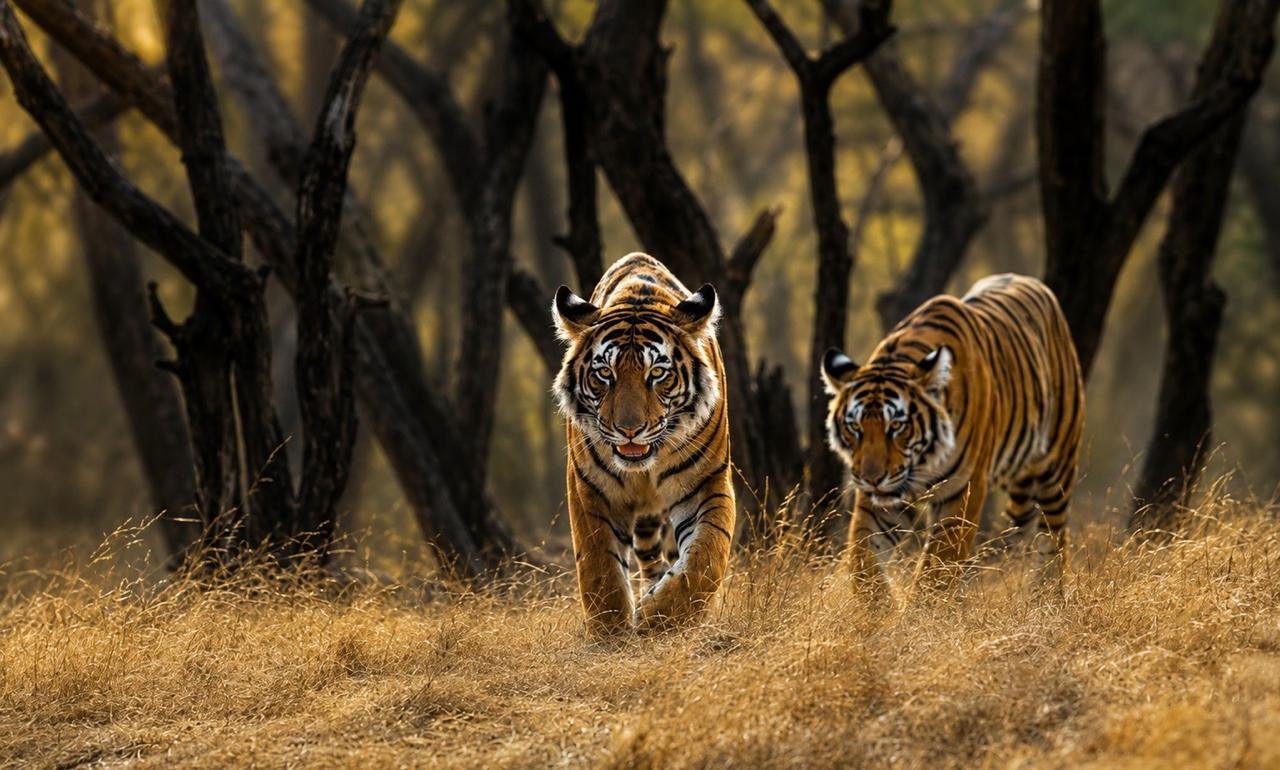
 Rajasthan
Ranthambore Tiger Reserve
Famous for Bengal tigers, dry deciduous forests, and the historic Ranthambore Fort safari tours.
Read Details
Discover historic forests, Bengal tiger habitats, unique ecosystems, and rich avian birdlife with Naturetrek Expeditions India .
Rajasthan
Famous for Bengal tigers, dry deciduous forests, and the historic Ranthambore Fort safari tours.
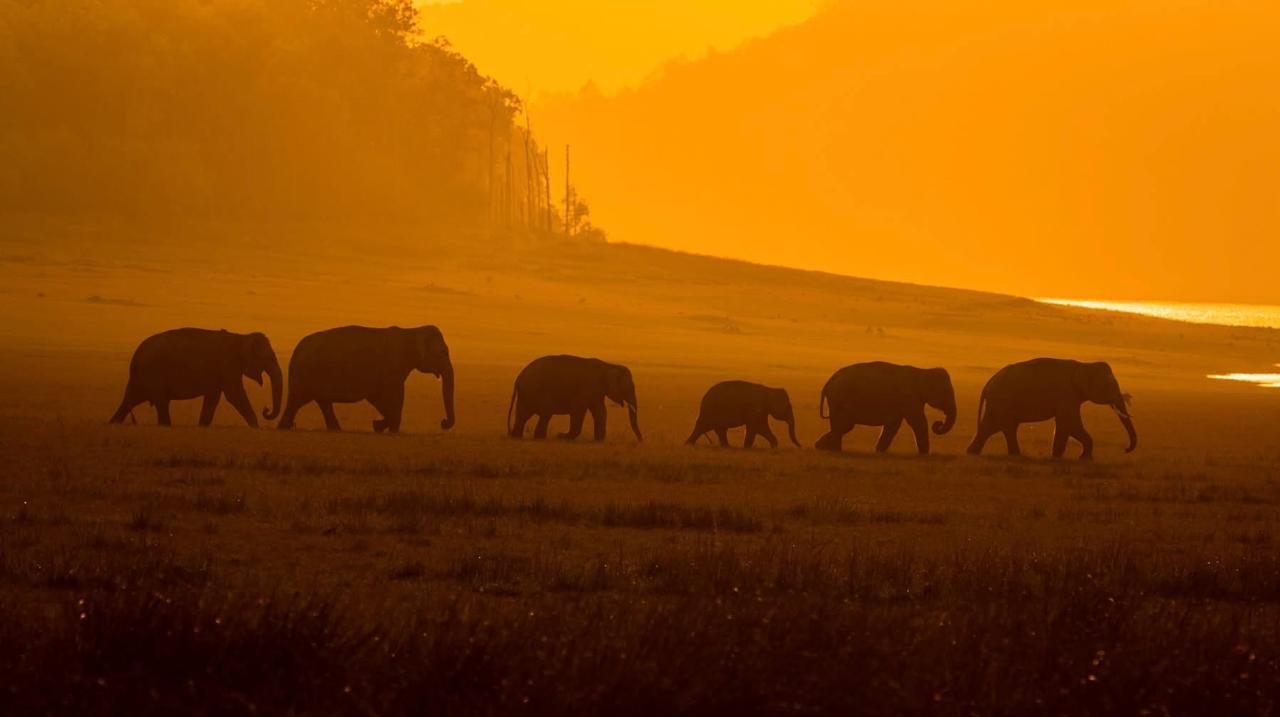 Uttarakhand
India's first national park nestled in Himalayan foothills, known for tigers, elephants, and river safaris.
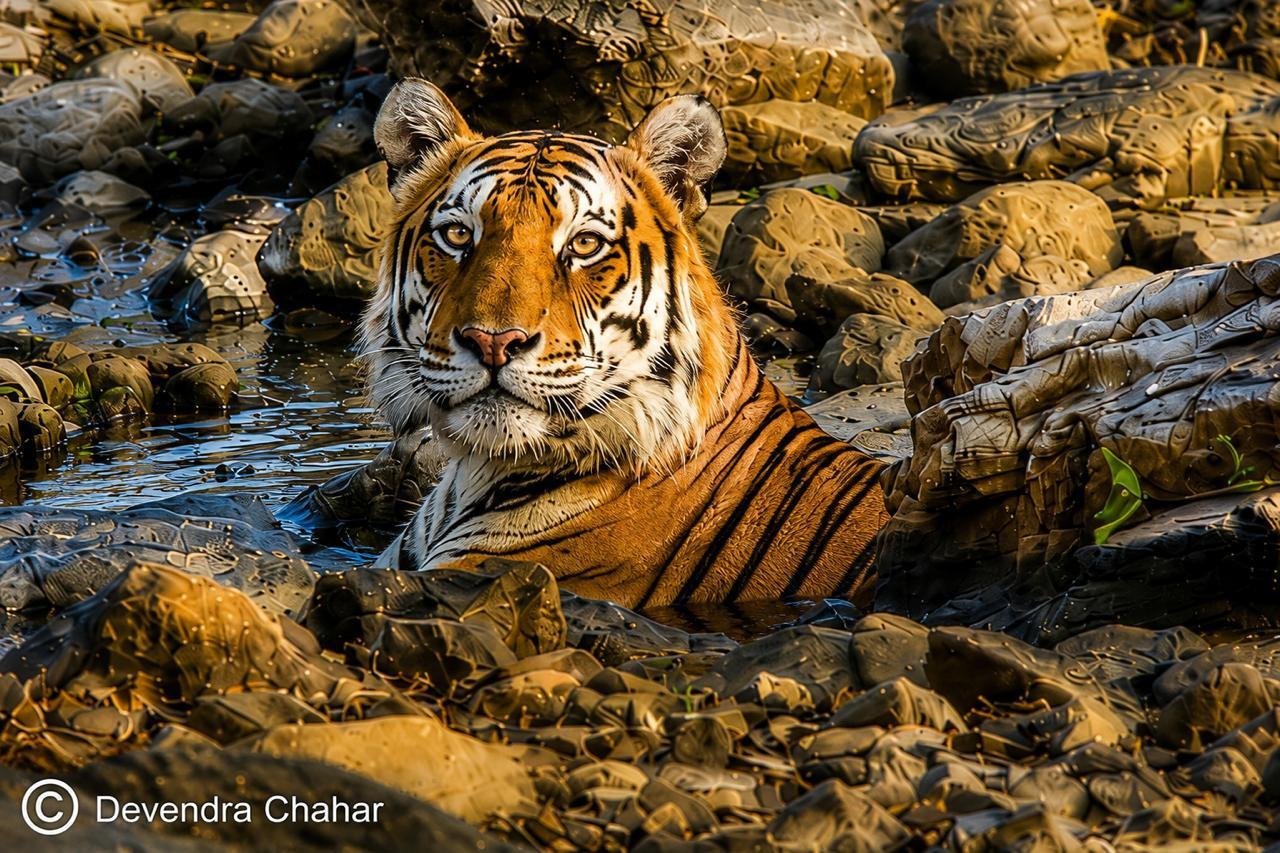 Madhya Pradesh
Situated along Ken River, famous for tiger reintroduction success, deep gorges, and waterfalls.
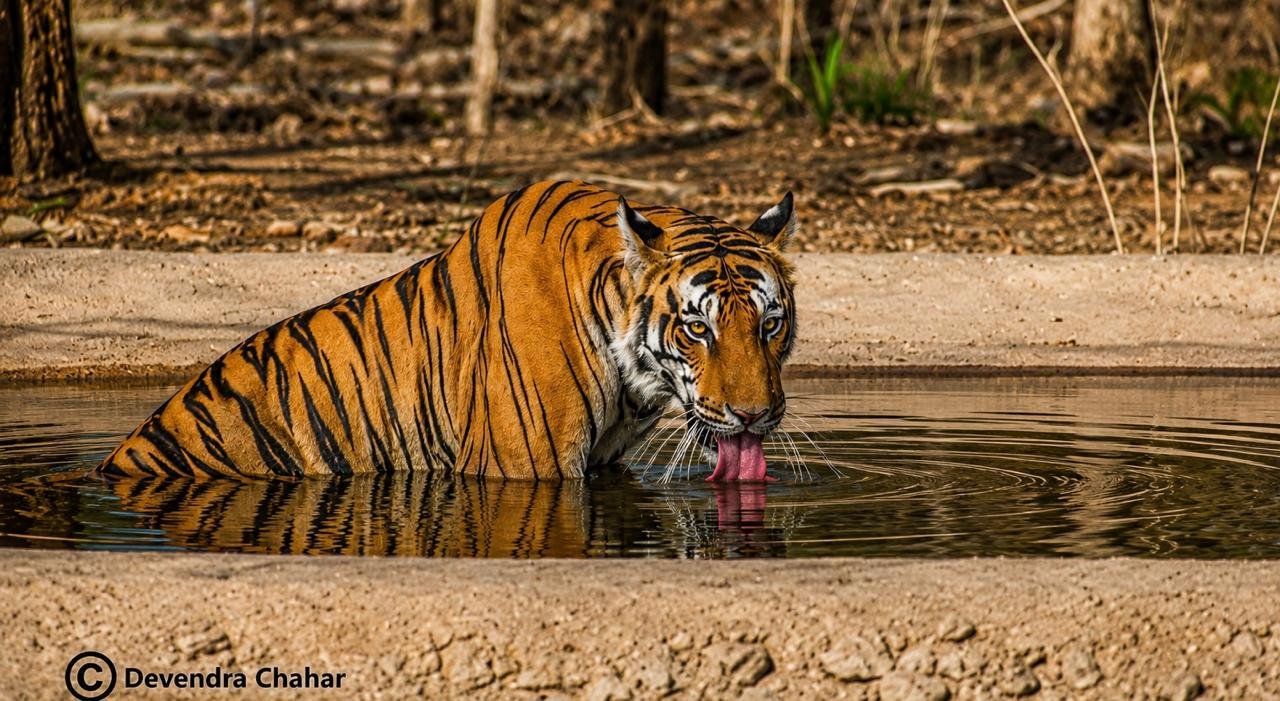 Madhya Pradesh
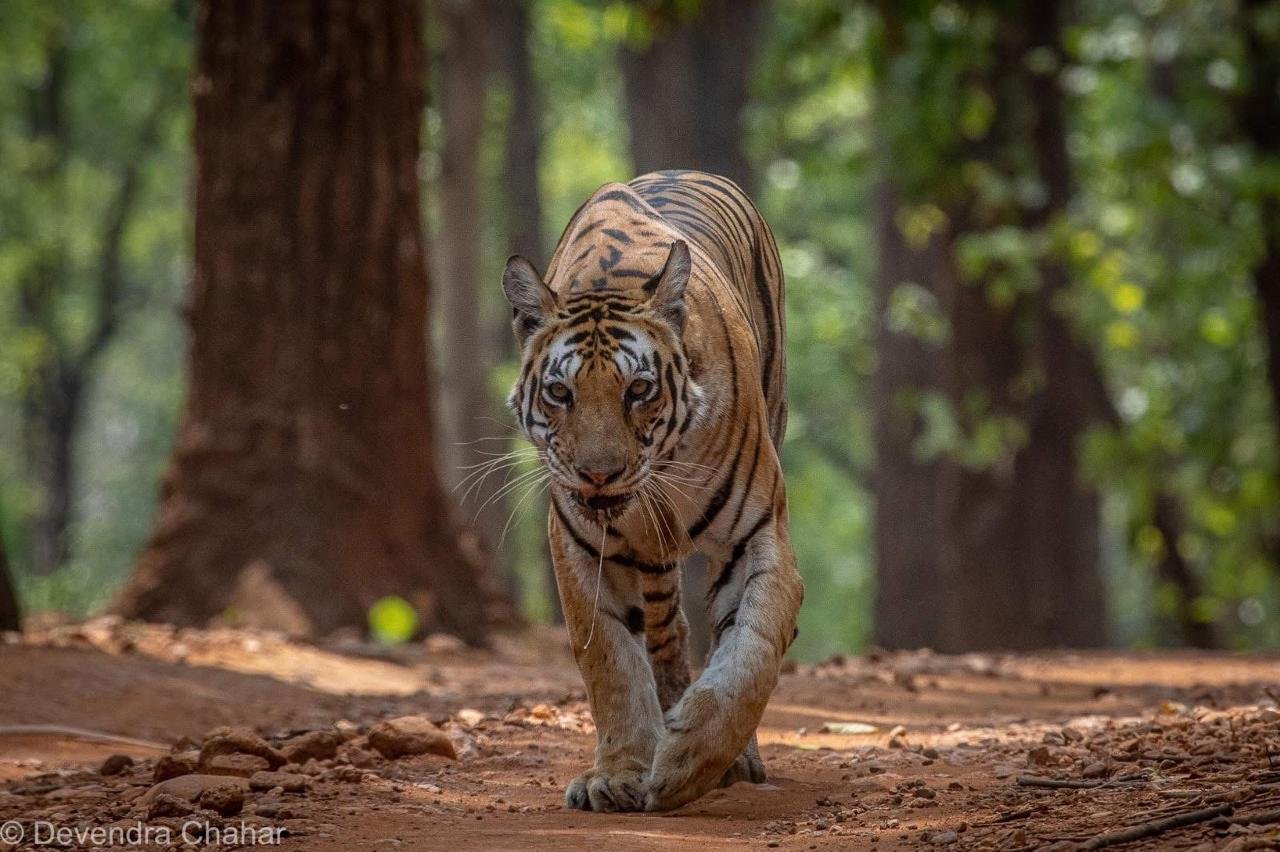
Renowned for high tiger density, dramatic hills, and the legendary ancient Bandhavgarh Fort.
 Madhya Pradesh
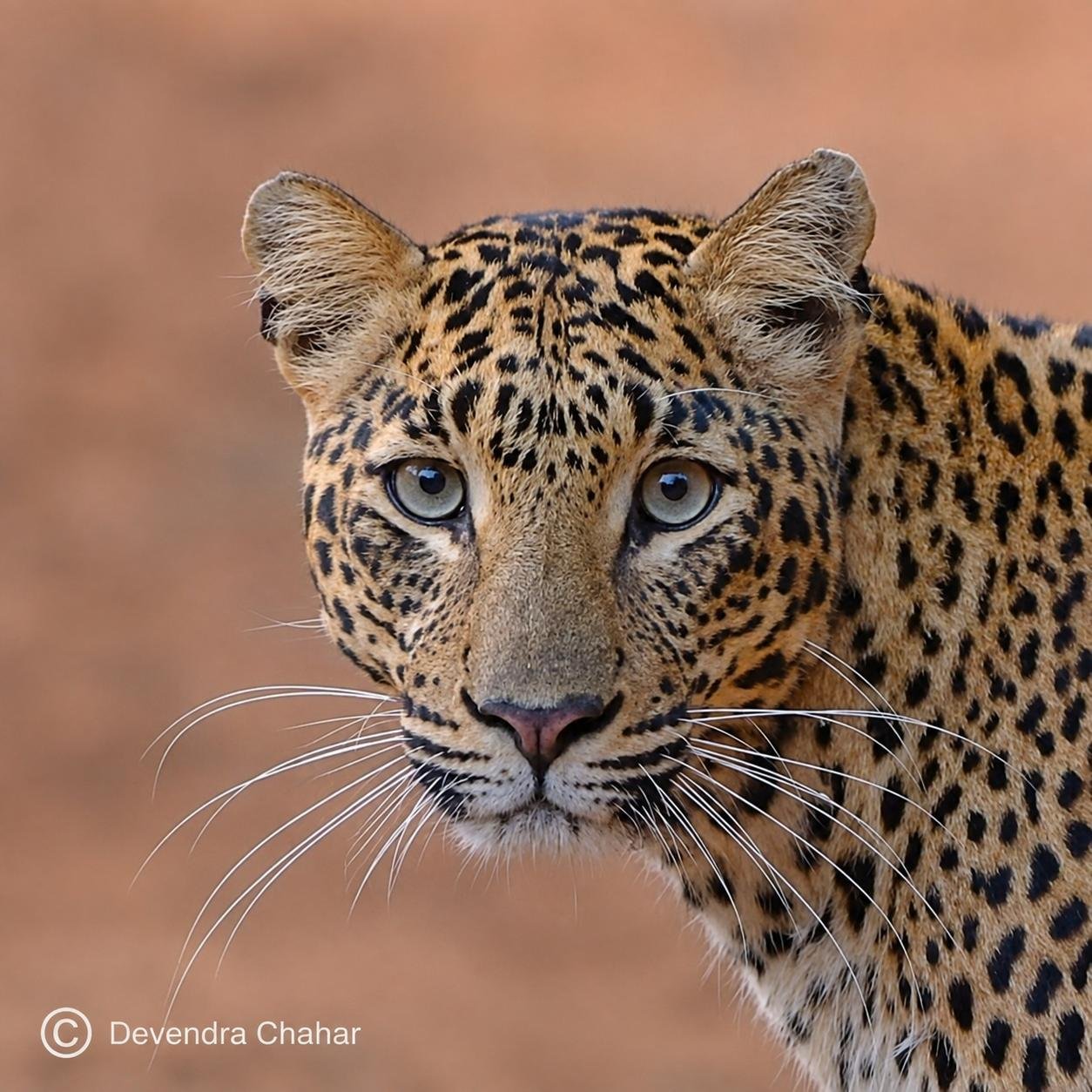
Vast wilderness of Sal forests, open meadows, and home to the rare hard-ground barasingha.
 MP & Maharashtra
The real-life landscape that inspired Kipling’s classic, The Jungle Book safari destination.
 Maharashtra
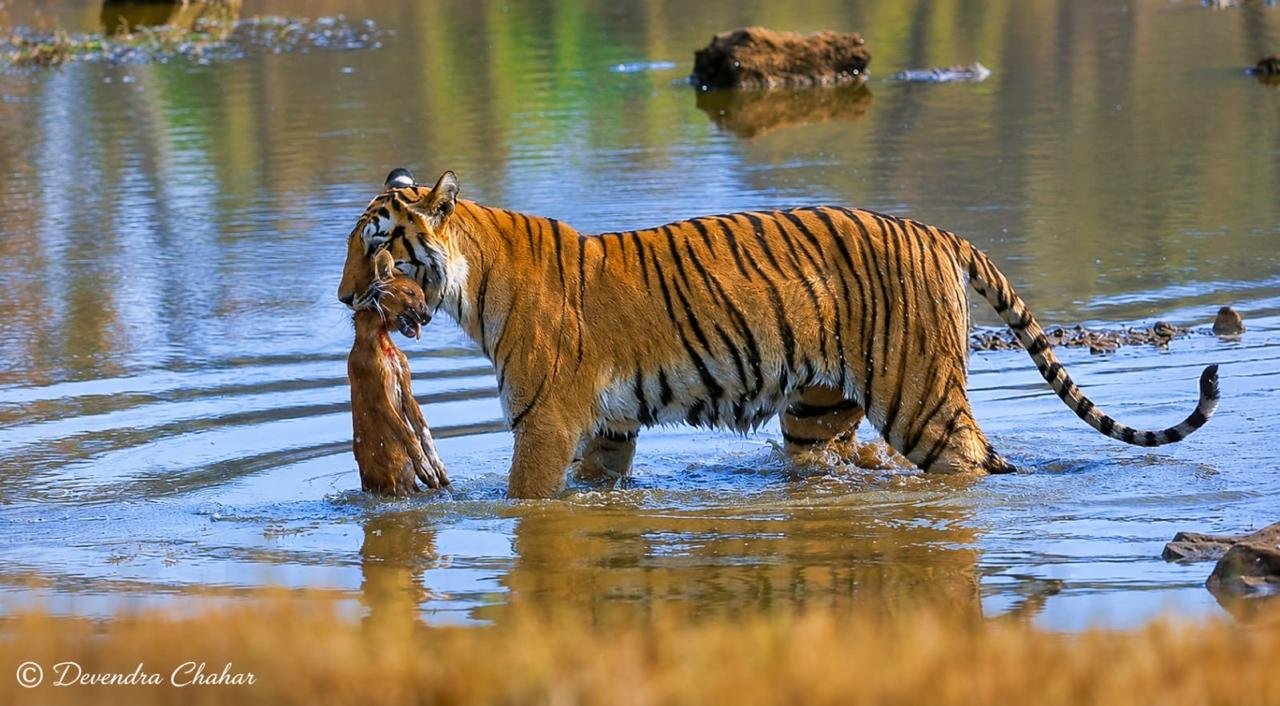
’s premier tiger destination, known for excellent sightings and rich tribal history.
 Assam
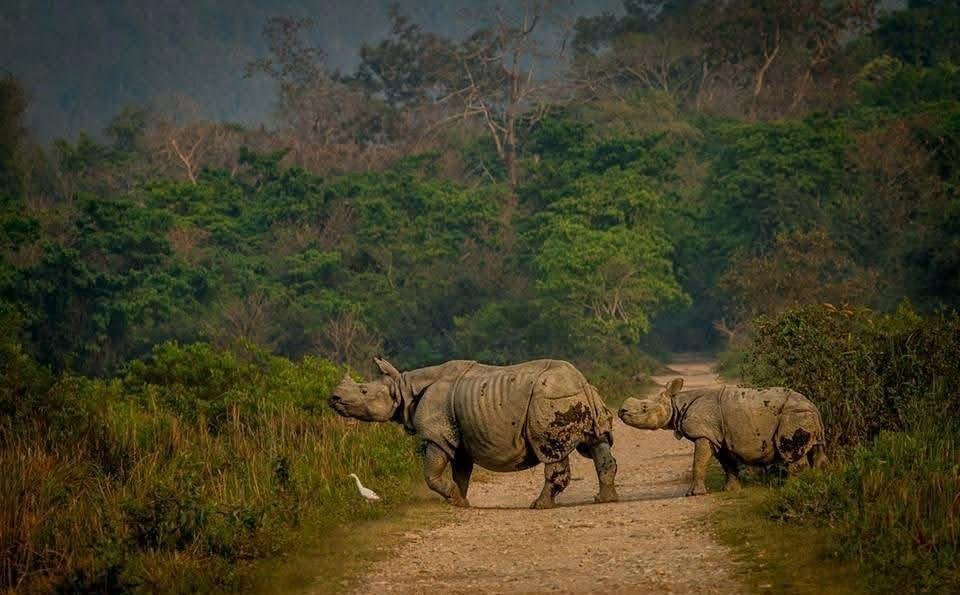
UNESCO World Heritage Site famous for the world's largest population of One-horned Rhinoceros.
 Gujarat
The only natural sanctuary and final abode of the majestic Asiatic Lions in the world.
 Madhya Pradesh
Scenic wilderness offering jeep, walking, and canoeing safaris amidst rugged terrains.
 Rajasthan
World-famous Bharatpur bird sanctuary hosting thousands of migratory avian species every winter.
 Spiti Valley
Into the High-Altitude Wilderness of the Himalayas for ultimate wildlife tracking tours.
Ranthambore Tiger Reserve, in southeastern Rajasthan, is one of India’s most celebrated wildlife destinations and is particularly known for its Bengal tigers. The landscape is remarkable for its combination of dry deciduous forests, open grasslands, lakes, rocky hills and the historic Ranthambore Fort..
The forests around Ranthambore were historically associated with the hunting grounds of the former rulers of Jaipur. Over time, growing awareness of the importance of protecting the area’s wildlife led to stronger legal protection. In 1955, the area was notified as the Sawai Madhopur Wildlife Sanctuary, covering approximately 413.33 sq. km. The sanctuary became part of India’s Project Tiger programme in 1973.
Ranthambore National Park was formally constituted in 1980, covering approximately 282.03 sq. km. The wider protected landscape subsequently developed into what is now known as Ranthambore Tiger Reserve. Today, the tiger reserve covers approximately 1,530.23 sq. km., according to the Rajasthan Forest Department. The national park itself covers approximately 282.03 sq. km.
Ranthambore’s dry forests, rocky ridges, lakes and open meadows create a distinctive habitat for wildlife. Bengal tigers are the principal attraction, while leopards, sloth bears, sambar, chital, nilgai, wild boar, marsh crocodiles and many bird species are also found here.The historic fort and ancient ruins scattered through the landscape add a cultural dimension to a wildlife safari that is difficult to find elsewhere in India.
Corbett Tiger Reserve lies in the Himalayan foothills of Uttarakhand and is one of India’s most historically important protected areas. It is famous for its forests, grasslands, rivers and abundant wildlife, particularly Bengal tigers and Asian elephants.
The protected-area history of Corbett began in the nineteenth century. Forest protection measures were introduced during British rule, and in 1879 parts of the area were constituted as Reserved Forest. In 1936, the area was established as Hailey National Park, making it India’s first national park. It was later renamed Ramganga National Park and, in 1956, became Corbett National Park in honour of Jim Corbett, the famous hunter-turned-naturalist and conservationist.
Corbett played another historic role in 1973, when it became one of the principal landscapes associated with the launch of Project Tiger, India’s national tiger conservation programme. Corbett National Park.
The modern Corbett Tiger Reserve covers approximately 1,288.31 sq. km., including about 821.99 sq. km. of core area and 466.32 sq. km. of buffer area, according to the National Tiger Conservation Authority. The reserve includes Sal forests, riverine forests, grasslands, hills and the Ramganga river system. It supports Bengal tigers, Asian elephants, leopards, sambar, chital, barking deer, wild boar, gharial and an exceptional variety of birds.
For birdwatchers, Corbett is particularly rewarding, while its combination of forests, rivers and Himalayan foothill scenery makes it one of India’s most distinctive wildlife destinations.
Panna Tiger Reserve lies in the Vindhyan landscape of Madhya Pradesh, along the Ken River. Its rugged terrain, deep gorges, plateaus, waterfalls and dry deciduous forests give it a character very different from many other Central Indian tiger reserves.
Before modern conservation began, parts of the region were associated with the hunting grounds of the former rulers of Panna, Chhatarpur and Bijawar. In 1975, the Gangau Wildlife Sanctuary was created from forest areas of the Panna region. In 1981, Panna National Park was established over a large part of this landscape. Panna became a Project Tiger Reserve in 1994, becoming India’s 22nd tiger reserve. The present tiger reserve covers approximately 1,598.10 sq. km., comprising about 576.13 sq. km. of core area and 1,021.97 sq. km. of buffer area. Madhya Pradesh Forest Department.
Panna is particularly important in India’s conservation history because of its remarkable tiger recovery story. After a serious decline in its tiger population, a carefully managed reintroduction programme helped restore tigers to the landscape. Today, Panna represents an important example of how habitat protection, scientific monitoring, relocation and conservation management can help rebuild a threatened wildlife population.
Bengal tigers, leopards, sloth bears, chital, sambar, nilgai, wild dogs, crocodiles and numerous bird species occur in the reserve. The Ken River and the spectacular rocky landscape add considerably to the experience of exploring Panna.
Bandhavgarh Tiger Reserve is situated in the eastern Satpura landscape of Madhya Pradesh. It is renowned for its Bengal tigers, dramatic hills and the ancient Bandhavgarh Fort.
Bandhavgarh has a history that extends far beyond modern wildlife conservation. The ancient fort dominates the landscape and is associated with several legends and historical traditions. The name is traditionally interpreted as “Bandhav” meaning brother and “garh” meaning fort. Local tradition associates the fort with Lord Rama and his brother Lakshmana.
From a conservation perspective, the Bandhavgarh landscape was progressively brought under stronger protection during the twentieth century. The national park became part of the wider tiger- conservation landscape, which later developed into the present Bandhavgarh Tiger Reserve.The modern reserve covers approximately 1,536.94 sq. km., including 716.90 sq. km. of core area and 820.03 sq. km. of buffer area. (Forest Department Madhya Pradesh)
Bandhavgarh is particularly famous for Bengal tigers. The reserve also supports leopards, sloth bears, wild dogs, sambar, chital, nilgai, wild boar and numerous bird species. The combination of forested valleys, rocky hills, grasslands and the historic fort creates one of Central India’s most dramatic wildlife landscapes.
Kanha Tiger Reserve is one of the great wilderness landscapes of Central India. Located in Madhya Pradesh, it is known for extensive sal forests, bamboo forests, open meadows and rich wildlife.The conservation history of Kanha dates back more than seven decades. Parts of the Banjar Valley and Halon Valley were declared wildlife sanctuaries in 1933 and 1935 respectively.
In 1955, the Banjar Valley sanctuary was upgraded to a national park. Following the launch of Project Tiger in 1973, the protected landscape was progressively enlarged. The present Kanha National Park covers approximately 940 sq. km., while the wider Kanha Tiger Reserve now covers approximately 2,051.79 sq. km., including about 917.43 sq. km. of core area and 1,134.36 sq. km. of buffer area.
Kanha is especially important for the conservation of the hard-ground barasingha, or swamp deer. Conservation programmes and habitat management helped this distinctive deer recover from a serious population decline. The reserve also has a history of relocating villages from protected areas, helping reduce pressure on wildlife habitats. Kanha is home to Bengal tigers, leopards, sloth bears, wild dogs, gaur, sambar, chital, barasingha and many species of birds. Its broad meadows surrounded by forests are particularly attractive for wildlife photography.
Pench Tiger Reserve lies in the Satpura landscape on the border of Madhya Pradesh and Maharashtra. The Pench River forms an important part of the ecosystem. The region has a particularly strong literary connection because the landscape is traditionally associated with the setting that inspired Rudyard Kipling’s The Jungle Book.
The forests of Pench have been known for their wildlife and natural richness for centuries. Historical descriptions of the region occur in sources including the Ain-i-Akbari and later natural-history writings. In Madhya Pradesh, Pench was declared a sanctuary in 1977, and approximately 292.86 sq. km. was notified as a national park in 1983. In 1992, the area became a Project Tiger Reserve. It was subsequently expanded and organised into core and buffer zones. The present Madhya Pradesh Pench Tiger Reserve covers approximately 1,179.63 sq. km., including 411.33 sq. km. of core area and 768.30 sq. km. of buffer area.
The Maharashtra portion has its own protected-area history. Pench National Park was notified in 1975 and became a tiger reserve in 1999, making it the 25th tiger reserve of India. The Maharashtra reserve covers approximately 742 sq. km.
Pench supports Bengal tigers, leopards, wild dogs, sloth bears, gaur, sambar, chital, wild boar and a rich variety of birds. Its location between major Central Indian wildlife landscapes also gives Pench importance as part of regional wildlife corridors.
Tadoba-Andhari Tiger Reserve in Maharashtra is one of India’s most important tiger landscapes and a favourite destination for wildlife photographers. Tadoba-Andhari Tiger Reserve in Maharashtra is one of India’s most important tiger landscapes and a favourite destination for wildlife photographers.
Tadoba’s conservation history goes back to the nineteenth century. In 1879, the area was declared a Reserved Forest, initially primarily for forest and timber management. By 1905, restrictions had been introduced on tiger shooting, although hunting under special permits continued for some time. In 1935, approximately 45 sq. km. around Tadoba Lake was declared a sanctuary. Tadoba National Park was established in 1955. Later, in 1986, the adjoining Andhari Wildlife Sanctuary was created. Tadoba and Andhari were subsequently brought together as the Tadoba-Andhari Tiger Reserve in 1995. The area was later expanded through the notification of critical tiger habitat and buffer areas.
The name Tadoba is traditionally associated with Taru, a local tribal hero or village chief. According to local tradition, Taru died during a confrontation with a tiger, and the local community came to revere him as a forest deity. A shrine dedicated to Tadoba is located near Tadoba Lake, and the cultural connection between local communities and the forest remains an important part of the reserve’s identity. The critical tiger habitat of Tadoba-Andhari is approximately 625 sq. km., while the wider tiger reserve including its buffer landscape is substantially larger. The Wildlife Institute of India records the critical tiger habitat at about 625 sq. km. and the notified buffer at approximately 1,503 sq. km. Tadoba is home to Bengal tigers, leopards, sloth bears, wild dogs, gaur, sambar, chital and many other species.
Kaziranga National Park in Assam is one of India’s most extraordinary wildlife landscapes. Its floodplains, wetlands, tall elephant grass and forests lie between the Brahmaputra River and the Karbi Anglong Hills. The park is internationally recognised for its greater one-horned rhinoceros and is also an important habitat for elephants, wild water buffalo, swamp deer, tigers and many bird species. The modern conservation history of Kaziranga began in the early twentieth century. A proposed reserve forest covering approximately 232 sq. km. was created on 1 June 1905.
The area subsequently passed through several stages of protection, including Reserve Forest status and Game Sanctuary status. Hunting was eventually prohibited, and Kaziranga became a Wildlife Sanctuary after Indian independence. In 1974, Kaziranga was declared a National Park. It was recognised as a UNESCO World Heritage Site in 1985.
The original national park notification covered approximately 430 sq. km., while subsequent additions have considerably expanded the protected landscape. Current Assam government data records the park and its additions as extending to approximately 893.69 sq. km. Kaziranga was also designated a tiger reserve in 2006.
The greater one-horned rhinoceros is the symbol of Kaziranga, but the park protects an extraordinary range of wildlife. Asian elephants, wild water buffalo, swamp deer, hog deer, sambar, wild boar, tigers, leopards and numerous bird species inhabit the reserve. Its annual flood cycle is a natural force that continually shapes the grasslands, wetlands and wildlife habitats.
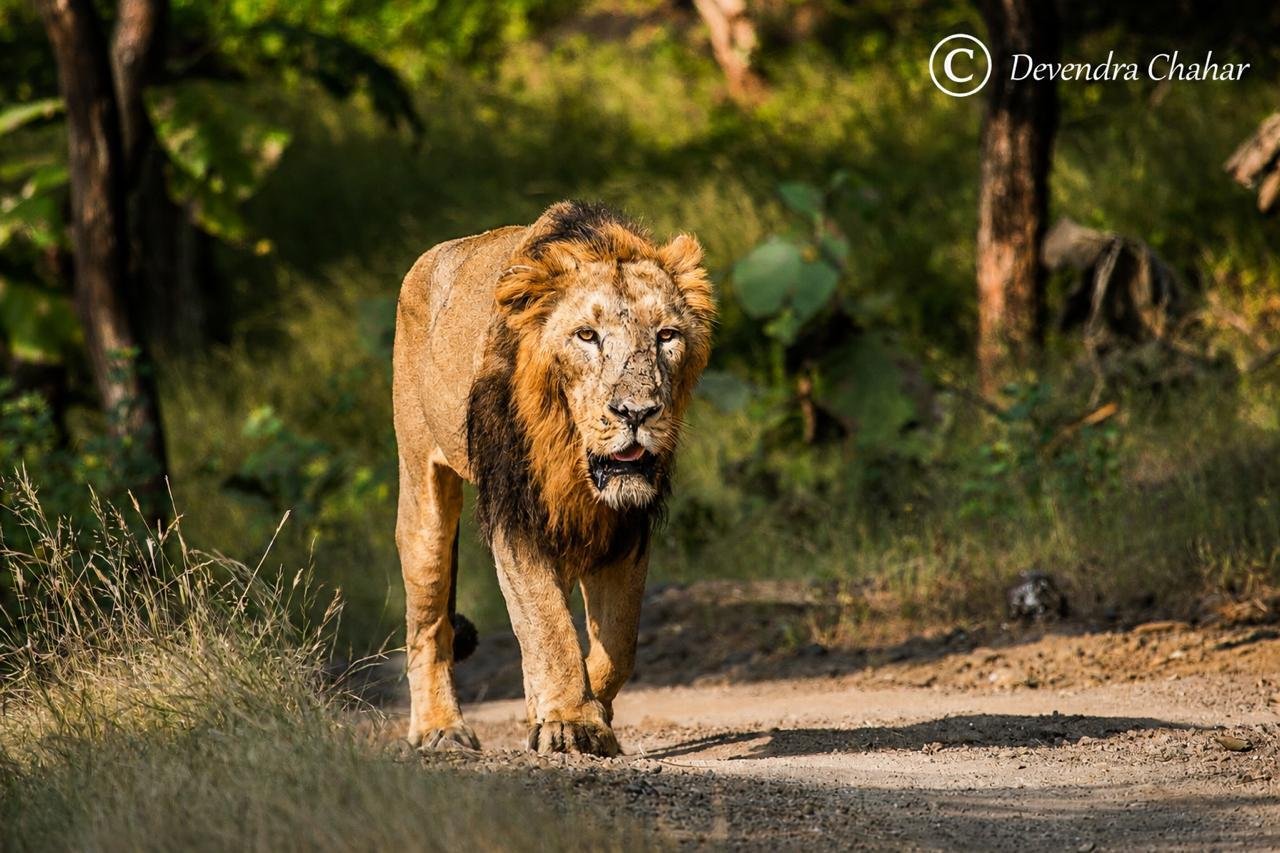
Gir National Park and Wildlife Sanctuary in Gujarat is internationally recognised as the last major natural stronghold of the Asiatic lion. Its dry deciduous forests, open scrub, grasslands, rocky terrain and seasonal rivers create a landscape very different from India’s Central Indian tiger reserves. The Asiatic lion once occupied a vast geographical range extending across parts of Asia. Hunting and habitat loss caused a dramatic decline in the species.
By the early twentieth century, the lion population in the region had fallen to a dangerously low level. The rulers of the former Junagadh state played an important early role in protecting the remaining lions. After independence, systematic wildlife conservation gradually developed. On 18 September 1965, Gir was declared a wildlife sanctuary to protect its declining lion population.
The core area was subsequently designated as a national park in 1975. The broader protected landscape is commonly described as covering approximately 1,412 sq. km., including the national park and sanctuary. Gir is one of the world’s most important examples of large-carnivore conservation. Protection of habitat, control of hunting, improved management and cooperation with local communities have helped the Asiatic lion recover from its historic decline. Apart from Asiatic lions, Gir supports leopards, striped hyenas, sambar, chital, nilgai, wild boar, crocodiles, jackals, jungle cats and numerous bird species.
Satpura Tiger Reserve in Madhya Pradesh is one of Central India’s most scenic and least conventional wildlife destinations. Its rugged hills, deep valleys, forests, grasslands and waterways create an exceptionally varied landscape. In 1865, the Bori Reserve was created, making it one of India’s oldest scientifically managed reserve forests. Bori Wildlife Sanctuary was later established, while Pachmarhi Wildlife Sanctuary was created in 1977.Satpura National Park was notified in 1981.
In 1999, the Pachmarhi Biosphere Reserve was declared. In 2 000, Satpura Tiger Reserve was officially notified under Project Tiger.The reserve was subsequently strengthened through the notification of its Critical Tiger Habitat in 2007 and buffer zone in 2010. The present Satpura Tiger Reserve covers approximately 2,133.30 sq. km., including:
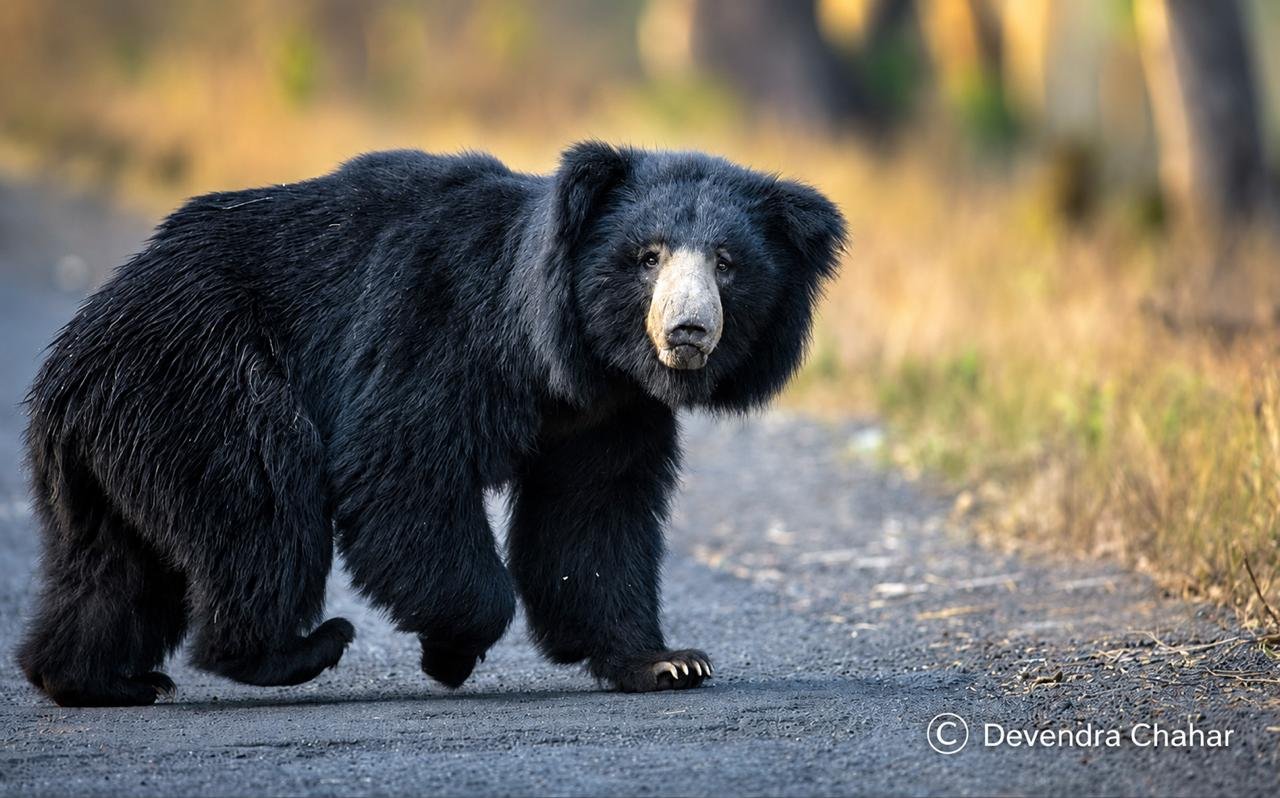
The core area incorporates Satpura National Park, Bori Wildlife Sanctuary and Pachmarhi Wildlife Sanctuary. Satpura supports Bengal tigers, leopards, sloth bears, gaur, sambar, chital, wild dogs and many bird species. What makes Satpura particularly distinctive is its emphasis on experiencing nature in different ways. Depending on regulations and the area being visited, travellers may have opportunities for jeep safaris, walking experiences and boat-based wildlife exploration.For visitors looking for a quieter and more immersive wilderness experience, Satpura offers a fascinating alternative to the better-known tiger destinations.
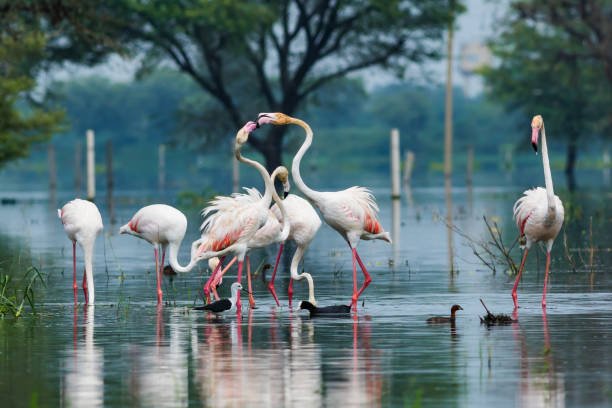
Keoladeo National Park, popularly known as Bharatpur Bird Sanctuary, is one of India’s most renowned wetlands and a paradise for birdwatchers and wildlife photographers. Located in Rajasthan, this UNESCO World Heritage Site is home to a remarkable variety of resident and migratory birds.
The park’s wetlands, grasslands, woodlands and shallow lakes provide an ideal habitat for hundreds of bird species. During the winter months, the sanctuary becomes particularly rewarding, with migratory birds arriving from Central Asia, Europe and other parts of the world. Visitors can explore Keoladeo National Park by cycle rickshaw, bicycle or on foot, accompanied by experienced local naturalists. Along with birds, the park supports species such as nilgai, sambar, golden jackal, wild boar, Indian mongoose and several species of reptiles.
For bird lovers, photographers and nature enthusiasts, Bharatpur offers an unforgettable opportunity to experience India’s rich wetland wildlife in a peaceful and beautiful setting.
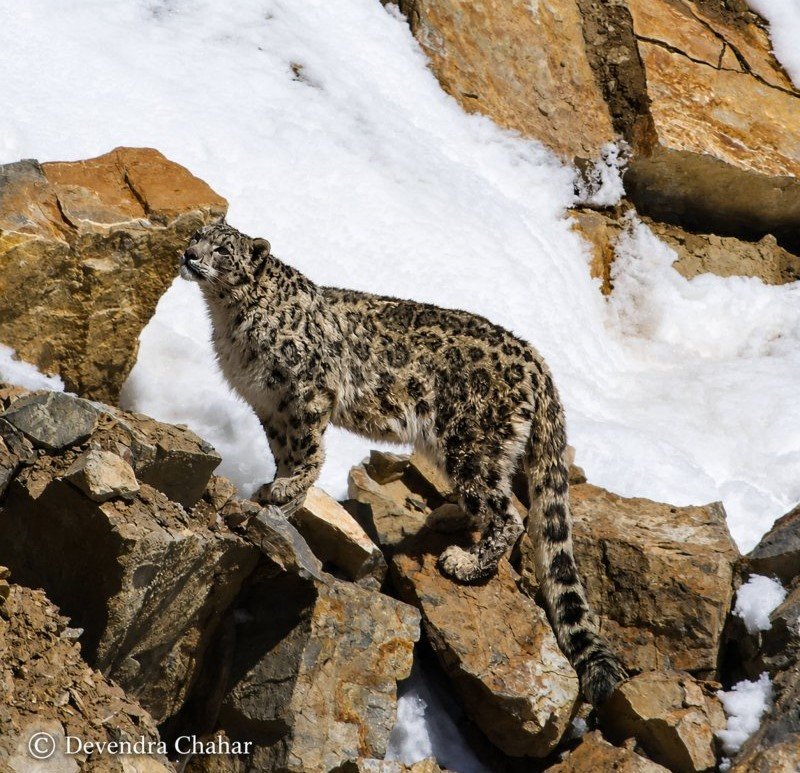
Spiti Valley, in Himachal Pradesh, India, is one of the most spectacular landscapes in the Trans-Himalayan region and one of the most remarkable places in India to search for the elusive Snow Leopard.
Situated at elevations generally above 3,000 metres, Spiti is a dramatic high-altitude cold desert characterised by rugged mountains, deep valleys, barren slopes, snow-covered peaks and remote Himalayan villages. The region offers an extraordinary setting for wildlife photography and an authentic wilderness experience.
Our expedition focuses on the Kibber–Chicham region and surrounding high-altitude valleys, an important Snow Leopard landscape in Spiti. The Kibber Wildlife Sanctuary covers approximately 1,400 km², providing extensive habitat for Snow Leopards and other high-altitude species.
The village of Kibber lies at approximately 4,200 metres above sea level, while several surrounding villages and mountain areas rise even higher. During winter, the harsh conditions bring wildlife down from the higher mountains in search of prey, creating exceptional opportunities for patient wildlife observation and photography.
Wildlife of Spiti
The Snow Leopard is the undisputed highlight of the expedition, but Spiti supports a remarkable range of high-altitude wildlife. Depending on conditions and season, encounters may include:
The presence of abundant prey such as Himalayan Ibex and Blue Sheep makes the high mountains of Spiti important habitat for the Snow Leopard